These regions face a combination of structural challenges, including an outdated and inefficient housing stock, heavy reliance on coal for heating, extremely high levels of air pollution during winter, and increasing climate pressure manifested in rising summer temperatures and growing water scarcity.
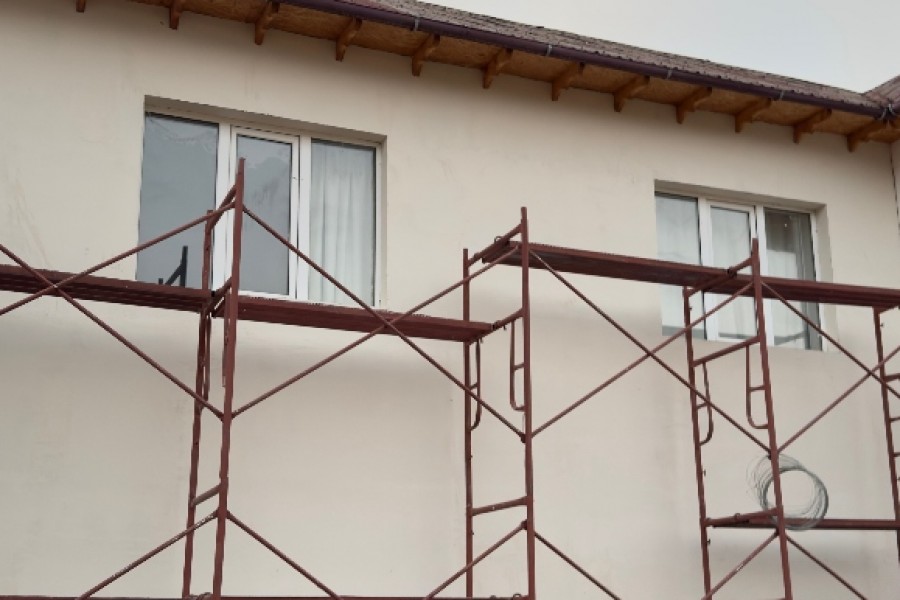
The project aims to scale up a model for the deployment of energy-efficient solutions in the construction and renovation of individual houses in rural and peri-urban areas of Kyrgyzstan and Tajikistan. This model will be adapted and piloted in Kyrgyzstan to demonstrate its relevance and to develop an intermediary model for low-energy consumption (LEC) houses with potential for future scaling.
The overall objective of the project is to develop, pilot, and promote energy-efficient and climate-resilient solutions in the residential construction sector in Kyrgyzstan through project upgrades, capacity building, and practical demonstration
The project will contribute to the reduction of CO₂ emissions in the construction and energy sectors, in particular through the development and promotion of energy-efficient low-energy consumption (LEC) houses and housing renovation practices based on energy-efficient solutions. Additional co-benefits will include enhanced climate adaptation of the built environment, improved health outcomes, social and economic benefits for target households, as well as the development of green skills and job creation in the construction sector.